The Boeing Starliner spacecraft has successfully ventured into orbit, marking a significant milestone as it embarks on its journey to the International Space Station (ISS). This launch was the first time Starliner had carried astronauts Butch Wilmore and Suni Williams on board, reflecting years of dedicated effort overcoming various engineering challenges. The spacecraft is on track to dock at the ISS at approximately 12:15 ET (17:15 BST) on June 6, with an expected stay of about a week.
 Key Highlights
Commander Wilmore thanked the teams involved for their perseverance, referencing the many hurdles faced. Starliner's pilot, Suni Williams, bolstered this with the triumphant statement, "Go 'Calypso'! Take us to space and back."
Here's a snapshot of key moments and technical details from the historic event:
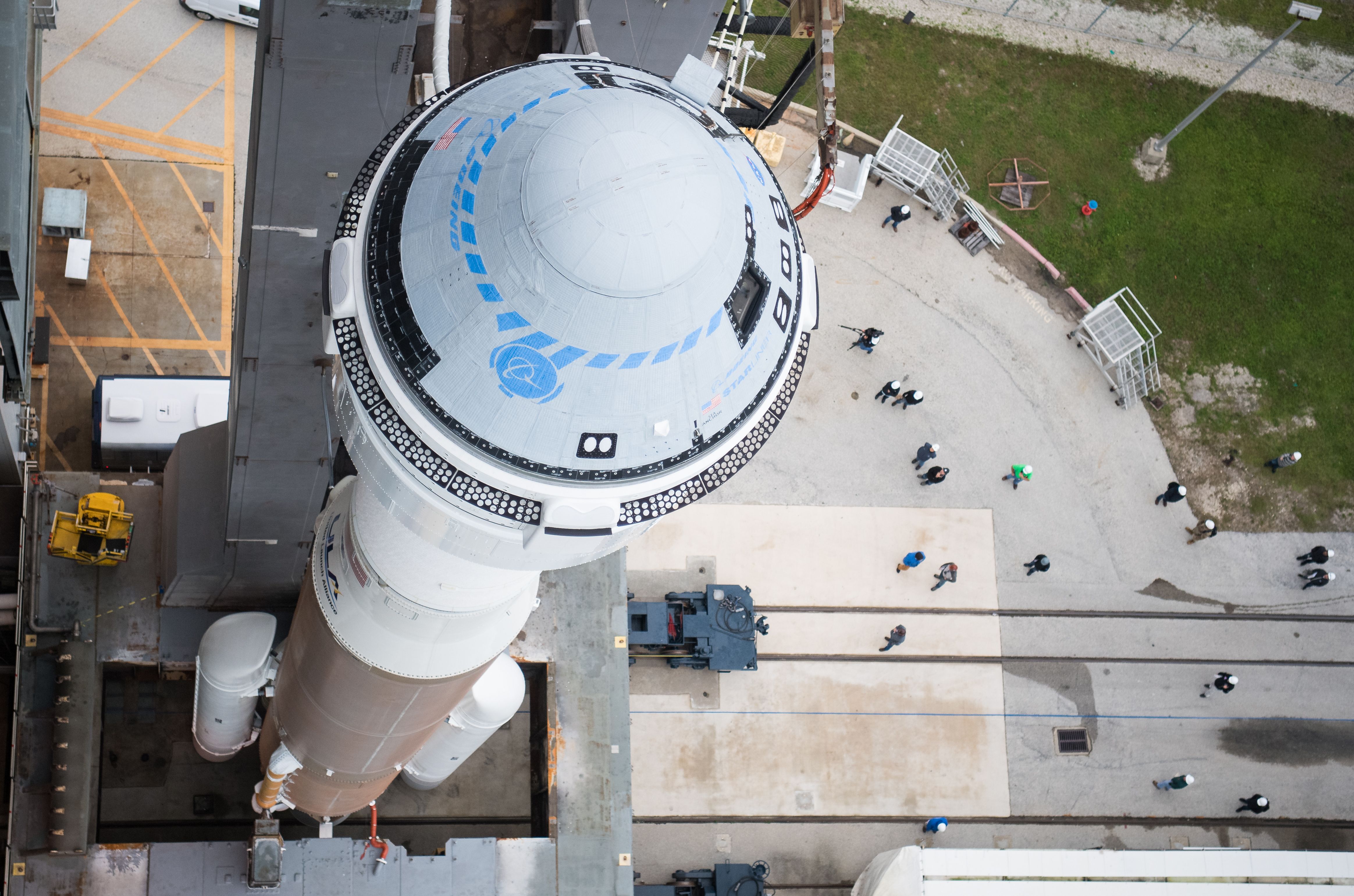
The Boeing Starliner during liftoff, making history as it carries astronauts to the ISS.
Technical Specifications and Mission Details
NASA Administrator Bill Nelson framed the event as "a new chapter of American exploration," underscoring the daring and thrilling nature of human spaceflight. The CST-100 Starliner—a commercial crew capsule—is designed with advanced subsystems and measures 4.6m wide by 5m tall (16.5ft by 15ft), accommodating up to seven astronauts but will typically fly with four.
Notably, Mark Nappi, Vice President and Program Manager of Boeing’s Commercial Crew Program, confirmed that the mission is "right on track," with a steadfast focus on astronaut safety and successful mission execution.
Vehicle Innovations and Partnerships
The United Launch Alliance (ULA), known for launching numerous key military and national security satellites, as well as prominent NASA science missions, made its first foray into crewed launches with the Atlas-V rocket. This reliable two-stage rocket featured:
- Base segment boosters firing for 4 minutes and 30 seconds.
- Centaur upper-stage taking over for the subsequent 12 minutes to complete the orbital insertion.
The spacecraft then used its thrusters to solidly position itself in orbit. Starliner’s ascent to orbit symbolizes a pivotal technological advance, melding modern innovations with foundational physics of spaceflight.

Commercial Crew Program: Shifting Paradigms
The origin of Starliner traces back to 2003 and the unfortunate Columbia disaster, leading to the retirement of the Shuttle program in 2011. This pivot gave rise to NASA's Commercial Crew Program (CCP), designed to enable routine, commercially-operated transport to low-Earth orbit. The strategy signifies NASA's shift from owning and operating astronaut vehicles to purchasing spaceflight services akin to hailing a cab. SpaceX's Dragon capsule and Boeing’s Starliner emerged as the top contenders under this new directive.

NASA's key past missions have laid the foundation for the Starliner launch.
Looking Ahead
The mission is set to last roughly a week, with Starliner scheduled to arrive at the ISS approximately 24 hours after launch. During this time, astronauts will conduct in-flight testing, including manual control trials, ensuring preparedness for any emergencies that might necessitate manual docking.
Notably, Starliner’s future role as a "taxi" for NASA underscores a transformative era for space exploration logistics. The spacecraft's reusability promises to drive efficiencies in space travel operations.
Edworking is the best and smartest decision for SMEs and startups to be more productive. Edworking is a FREE superapp of productivity that includes all you need for work powered by AI in the same superapp, connecting Task Management, Docs, Chat, Videocall, and File Management. Save money today by not paying for Slack, Trello, Dropbox, Zoom, and Notion.
Credits and Acknowledgements
The live coverage captured viewpoints from several correspondents, emphasizing the meticulous planning and execution of the mission. Veterans Barry "Butch" Wilmore and Sunita "Suni" Williams, both seasoned NASA astronauts, embodied the culmination of years of effort and teamwork.
Remember these 3 key ideas for your startup:
- Innovate and Adapt: Similar to NASA’s shift from owning to purchasing services, startups should explore innovative solutions and adapt to changing circumstances with resilience.
- Embrace Collaboration: Effective partnerships, like that between NASA, Boeing, and ULA, can lead to monumental achievements. Fostering collaboration can propel your startup towards success.
- Invest in Reusability: Emulating Starliner’s reusability principle can make operations more sustainable and cost-effective in the long term. Focus on investments that enhance efficiency and scalability.