
Since college, I turned away from big, slow corporations. I leaped into startups, learning quickly and rapidly advancing my skills. I served as the early or first engineer in five companies, experiencing three liquidity events in my 9-year career. Each time, I tackled building products from the ground up but eventually moved on after the companies grew too large for my preference.
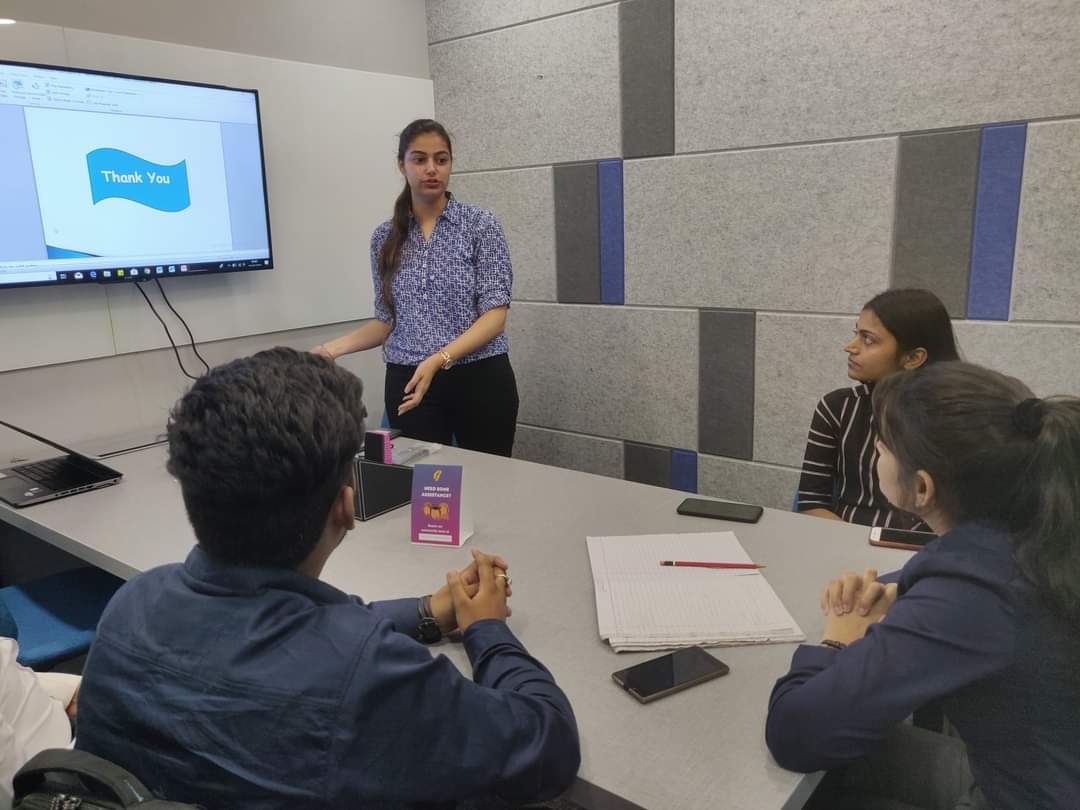
Figure 1: Working with early-stage startups provides rapid skill development and significant responsibility.
 The Reality of Founder Risk & Liquidity
Founder liquidity allows founders to sell some shares during new funding rounds, securing their financial stability while keeping the company running with fresh venture capital. This practice remains largely hidden due to its potential to undermine the heroic narrative of founders risking everything. When founders take liquidity, employees remain in the dark, thinking their leaders are "all-in" just like them. Yet, the founders are actually de-risking their positions while employees continue to shoulder significant risks.
An example of this is a scenario where a founder at Series A was offered $400,000 in liquidity and later $750,000 at Series B. This liquidity access was unknown to employees, thus painting a deceptive picture of risk alignment between employees and founders.
High-Profile Cases
One notable case is Adam Neumann, the founder of WeWork, who cashed out over $2B in secondary markets while employees could not capitalize on their equity stakes. This left many employees empty-handed when the anticipated tender offer fell through. Another example includes the founder of Hopin, who secured tens of millions in secondary liquidity only to sell the company at a valuation leaving employees with nothing for their equity.

Right-Sizing Perception
When I learned about our founders accessing liquidity, my initial reaction was pride for their achievement. This was quickly followed by curiosity and a sense that employees were left out of a significant benefit. My conclusion was that keeping such liquidity moves secret contributes to employee mistrust and distorted perceptions of risk.
Balancing the Scales
As a new founder, I've realized the importance of transparency. My aim is to balance risks for early employees by being open about liquidity events and sharing rewards more generously. Every new funding round should be accompanied by an education on liquidity to align employee expectations with reality.
Edworking is the best and smartest decision for SMEs and startups to be more productive. Edworking is a FREE superapp of productivity that includes all you need for work powered by AI in the same superapp, connecting Task Management, Docs, Chat, Videocall, and File Management. Save money today by not paying for Slack, Trello, Dropbox, Zoom, and Notion.
Transparency around founder liquidity helps employees see the true risk landscape. If employees understand that founders have de-risked, they may demand higher compensation or adjust their career decisions accordingly.
Key Ideas for Your Startup
- Transparency is essential: Proactively share information about founder liquidity to build trust and ensure employees are aware of the true financial dynamics. This fosters a more cohesive and driven team, knowing they are informed and equally valued.
- Equity distribution matters: Be generous and thoughtful with equity distribution among early employees. Their contributions and risks deserve significant recognition and compensation, not just founders. Consider policies allowing employees access to liquidity during major funding rounds* such as discussed in examples of effective team dynamics.
- Educate about the risk: Make sure employees understand the financial risk landscape of the startup. When announcing a new funding round, include transparency on whether founders took liquidity. This helps employees assess their positions and make informed decisions about their careers and compensation.
By following these principles, startups can create more equitable work environments and ensure that all team members feel acknowledged and rightly compensated for their contributions and risks. This is critical for sustaining a motivated and loyal workforce navigating the challenging waters of fledgling business ventures.
For more details, see the original source.