
The massive energy consumption of Google and Microsoft in 2023, at 24 TWh each, not only highlights their immense scale but also puts a spotlight on critical issues related to energy use and environmental impact. Here are some key findings:
- The energy consumption of Google and Microsoft matches that of entire countries like Azerbaijan.
- Their usage surpasses the power consumption of more than 100 countries, including Iceland, Ghana, and the Dominican Republic.
The focus now turns to their carbon-free or carbon-negative pledges by the end of the decade, and whether these initiatives will be scaled up accordingly.
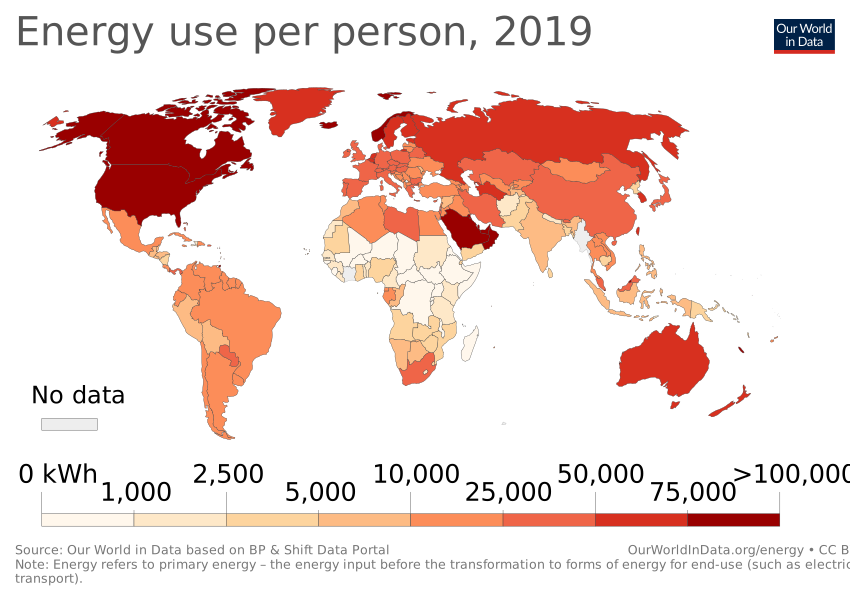
- Image: Comparison of energy use between Google, Microsoft, and various nations.
 Environmental Impact and Sustainability
The consumption levels of these tech giants have significant environmental implications. Data centers powering cloud services and AI are massive electricity consumers, leading to indirect environmental impacts. Here's a closer look:
- The energy-intensive operations of tech firms point to the need for sustainable alternatives.
- Google's and Microsoft's commitments to carbon-free or carbon-negative efforts by 2030 highlight their potential for setting standards in the industry. For insights into how this mirrors smaller setups, check out energy-efficient solutions.
- Recycling and leveraging clean energy sources can substantially reduce their carbon footprint.
Economic Implications
The economic side of this energy consumption is equally revealing. Google and Microsoft’s combined 2023 revenue of about $519.3 billion underscores their vast influence. The companies' combined market caps are reminiscent of entire national economies:
- Google's market cap stands at $3.372 trillion.
- Microsoft's market cap totals $2.294 trillion.

- Image: Market cap comparison between Google, Microsoft, and global stages.
Sustainability and Renewable Energy Commitments
Both companies are not just prominent consumers but also frontrunners in promoting sustainability within their operations:
- Google and Microsoft have outlined renewable energy plans aiming to make significant strides in sustainability. For more actionable goals, refer to the guide on how to determine realistic goals for a project.
- The investments in cleaner energies and energy matching programs reflect their dedication to reducing their environmental impact.
Remember these 3 key ideas for your startup:
- Energy Efficiency: The case of Google and Microsoft underscores the importance of prioritizing sustainability. Integrate energy-efficient solutions and renewable energy sources in your operational strategy. These can help mitigate environmental impacts and improve your company’s public image.
- Scalability and Growth: The comparison with whole countries shows the potential scale tech companies can reach. Focus on building scalable operations that mirror sustainable practices to manage increased demand as your business grows. Check out these collaboration tools to help scale your operations.
- Innovation in Sustainability: Take inspiration from Google and Microsoft by pledging to reduce your carbon footprint through innovative solutions. This can include investments in renewable energy, sustainable data centers, and energy recycling programs.
Edworking is the best and smartest decision for SMEs and startups to be more productive. Edworking is a FREE superapp of productivity that includes all you need for work powered by AI in the same superapp, connecting Task Management, Docs, Chat, Videocall, and File Management. Save money today by not paying for Slack, Trello, Dropbox, Zoom, and Notion.
By understanding and incorporating these strategies, startups and SMEs can drive substantial growth while staying committed to sustainability and technological innovation.

- Image: Technological innovations in renewable energy.
For more details, see the original source.