
Hello everyone! I got partway through writing this post while I was still in Antarctica, but I departed before finishing it. I’m going through my old draft posts, and I found that this one was nearly complete. It’s a bit of a departure from the normal content you’d find on brr.fyi, but it reflects my software/IT engineering background. I hope folks find this to be an interesting glimpse into the on-the-ground reality of using the Internet in bandwidth-constrained environments. Please keep in mind that I wrote the majority of this post ~7 months ago, so it’s likely that the IT landscape has shifted since then. Welcome back for a ~~bonus post~~ about Engineering for Slow Internet! For a 14-month period, while working in Antarctica, I had access to the Internet only through an extremely limited series of satellite links provided by the United States Antarctic Program.
 Unique Challenges of Internet Connectivity in Antarctica
Before diving deeper, it’s crucial to understand the gravity of Internet connectivity at the South Pole. Getting any form of Internet setup is a considerable engineering challenge due to the extremely limited selection of satellites available for Polar use. The current connectivity is restricted to sporadic satellite windows with only a few hours of access each day, and there's no scope for consistent connectivity due to geographical and logistical constraints.
_South Pole Satellite Communications_ is a valuable source for more details on the satellite schedules and constraints. Notably, there’s a significant difference in connectivity between stations like McMurdo, which now has Starlink, and the South Pole station that's yet to see similar developments.

South Pole's radomes, containing equipment for satellite communication.
Latency and Bandwidth: Realities and Expectations
The connectivity challenges in Antarctica offer a stark comparison to everyday Internet experiences. Where typical home broadband connections boast minimal latency and high bandwidth, the South Pole’s Internet characteristics include up to 750 milliseconds round trip for packets to the United States, far exceeding the latency most users anticipate. These high latency figures severely impact modern web experiences and necessitate the rethinking of how applications are designed to handle such conditions.

Impact on Web Application Performance
Given these conditions, it’s pivotal for app developers to prioritize user experiences in bandwidth-constrained environments:
- Massive Assets: Web applications, often loaded with massive assets like JavaScript files, fare especially poorly. For instance, loading a 20 MB JavaScript-heavy enterprise collaboration platform at the South Pole can turn into a nightmare of failed tries, cache busting, and persistent re-downloads.
- Hardcoded Timeouts and Chunk Sizes: Hardcoded assumptions about connection speeds or payload sizes without taking into consideration the diversity of Internet conditions can lead to failures and frustration. For example, many apps specify rigid time frames for downloads or connections, making them unusable under slow Internet speeds like those experienced in Antarctica.
Real-world Examples and Recommendations
One real-world example involved large-scale OS updates on both macOS and Android devices, which often fail due to lack of pause/resume functionality, no manual download links, and no proper progress updates. Solutions include setting up downloading systems that can handle interruptions gracefully, providing manual download links for overriding in-app downloaders, and downloading content in small, incremental chunks.
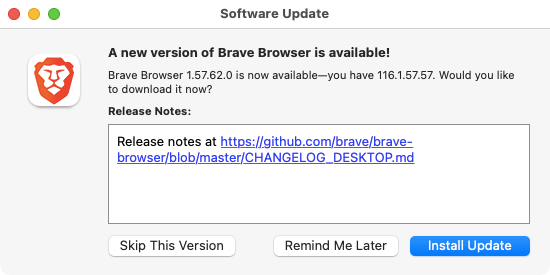
macOS Updater: handling large OS updates in a bandwidth-constrained environment is challenging.
For example, instead of assuming that all users have access to uninterrupted, high-speed Internet, developers should:
- Implement intelligent retry mechanics that adapt to the given network conditions.
- Provide manual download links and options for users to use their preferred download tools.
- Ensure incremental, interrupt-tolerant transfers and caching mechanisms.
Final Thoughts
While complete optimization for edge cases like the South Pole may not be feasible for every app developer, it’s essential to at least ensure that applications can minimize user frustration in low bandwidth or intermittent connectivity scenarios. Allowing for flexible downloads, avoiding hardcoded timeout assumptions, and enabling incremental updates can significantly improve the user experience in these challenging environments.
Edworking is the best and smartest decision for SMEs and startups to be more productive. Edworking is a FREE superapp of productivity that includes all you need for work powered by AI in the same superapp, connecting Task Management, Docs, Chat, Videocall, and File Management. Save money today by not paying for Slack, Trello, Dropbox, Zoom, and Notion.
Remember these 3 key ideas for your startup:
- Optimize Your Apps for Low Bandwidth Environments: Ensure your applications handle slow and intermittent Internet gracefully. Implement retry mechanisms, avoid hardcoded timeouts, and allow for download flexibility.
- Offer Manual Download Options: Always provide a manual download link alongside any in-app downloader to prevent total reliance on potentially inadequate built-in downloaders.
- Implement Incremental and Intelligent Transfers: Use chunked transfers and support resumption of failed uploads/downloads to maximize the user experience, even on challenging networks like those in Antarctica.
Adopting these practices will not only enhance usability in extreme conditions but also improve overall application robustness and user satisfaction.
---
Thank you for following my Antarctic journey. These reflections highlight the critical importance of thoughtful engineering in bandwidth-constrained environments. Stay tuned for potential future posts on similar topics and insights from extreme conditions.
For more details, see the original source.