The COVID-19 pandemic upended the workplace in many surprising ways. Many organisations were forced to abandon the traditional arrangement of having employees come to the office five days a week in favour of a variety of schemes for remote work or working from home. Against all expectations, remote workers appear to work harder and more productively than workers in traditional offices. Remote workers were not only more productive they were more satisfied with remote work than they had been with working in a traditional office. This finding is not unexpected. Once you let workers do away with the commute to and from the office, office politics, workplace bullying, boring meetings, the need to wear and take care of business suits and other costly and often uncomfortable attire, you should not be surprised that they will feel happier.
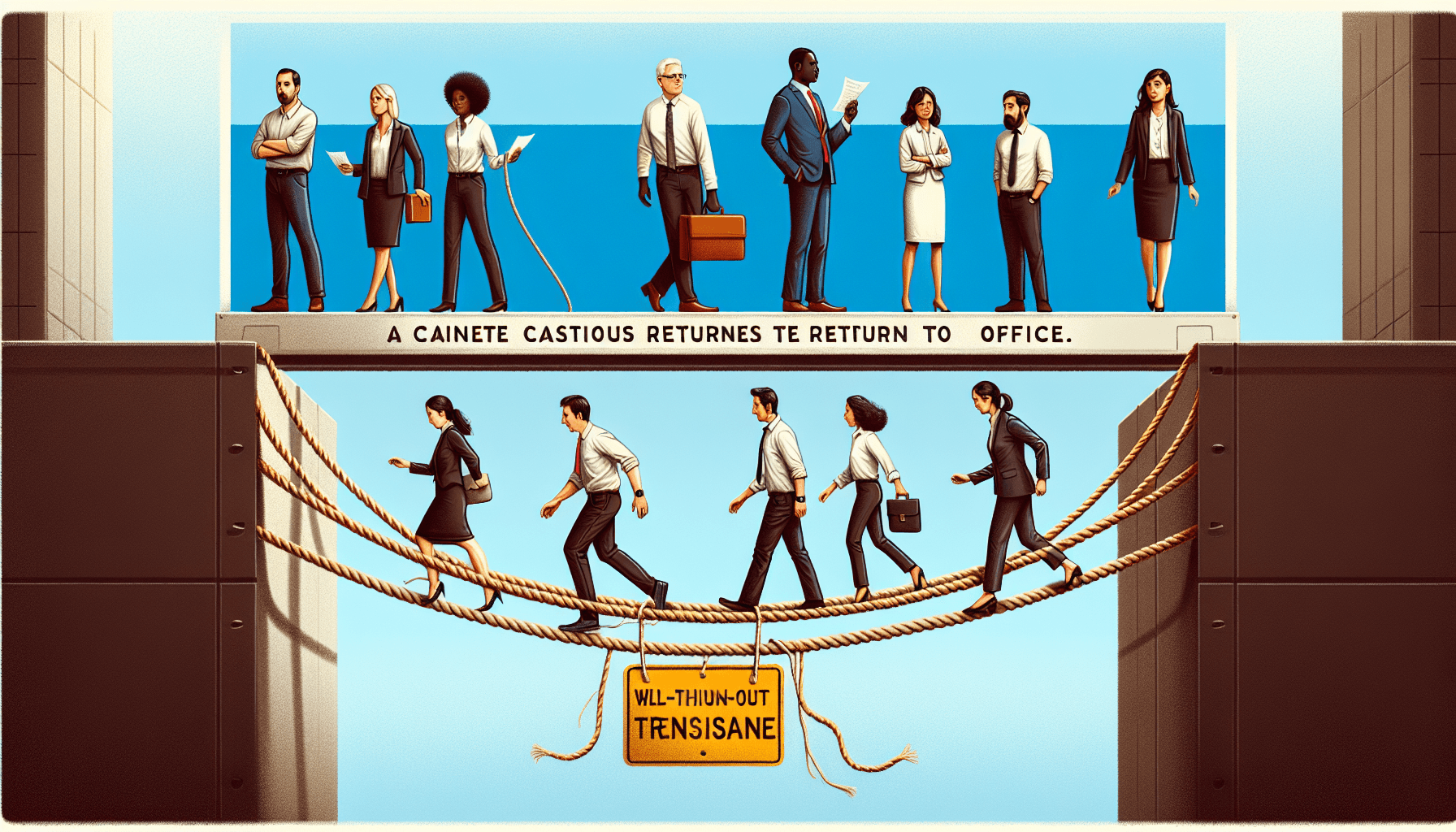
Since the end of the pandemic, there has been a growing push to encourage, and sometimes compel workers to return to the office. This movement has become so widespread that it has generated the acronym RTO, or Return to the Office. As I have noted in earlier columns, the rationale for RTO mandates is often murky, and it is hard to resist the conclusion that the push to get people back to the office is in part an effort to reduce the embarrassment of executives sitting in near-empty office buildings with nobody to manage.
From RTÉ Radio 1's The Business, Is your boss watching you?
There is increasing evidence that RTO mandates can be counterproductive. In particular, several organisations that have attempted to coerce workers back to the office have found that they are losing experienced managers and top performers at disproportionate rates. The dynamic here is clear, and potentially alarming. Organisations that impose RTO mandates face the possibility of losing their most valuable workers. Turnover is often costly for organisations, but turnover of your most experienced and most valuable workers can be catastrophic.
I believe the pandemic shook things up in the world of work in ways that are still poorly understood. The great political philosopher Edmund Burke noted that "custom reconciles us to everything", and I think this applies to all sorts of workplace norms and practices. If we were used to the way things were done in organisations, we were willing to put up with all sorts of organisational policies that were burdensome (e.g., dress codes) or even abusive (e.g., the expectation that we should work beyond normal working hours if asked to do this.)
Read more: Get back to the office or else! Why bosses want workers back at their desks
A year or two away from the office has opened a lot of eyes, and things that were once widely accepted (e.g., office politics) are now barely tolerated, if they are accepted at all. More important, time away from the office seems to have upset the traditional balance of power between employers and employees. Once you realise that you do not need the office and that you do not need to be tightly monitored or supervised, it is hard to go back.
Some employees, of course, do go back. First, there are some employees who believe that being in the office will benefit their careers. They are probably right; workers who return to the office are more likely to receive promotions. Whether organisations should promote the careerists who come back to the office in hopes that their loyalty (or submissiveness to RTO mandates) will win them promotions that their performance and effectiveness would not, is an open question. Second, there are employees who are trapped in their jobs, either because of family or community obligations or because they lack the skills, knowledge, and abilities to move to other jobs.
Executives who force RTO mandates down the throats of their employees run the risk of changing their organisation into a set of lapdog careerists and people who are stuck working for you, and it is hard to believe that this will benefit their organisation.
Read more: Is 'coffee badging' the new return to office/work from home trend?
Executives who are pushing employees to come back to the office are most likely to succeed if they can make a convincing case for why coming back to the office benefits employees and the organisation. The typical explanation that coming back to the office is important for the culture of the organisation is unfounded at best, and hogwash at worse. Second, the carrot works better than the stick. If you want employees to come back to the office, recognise that this comes at considerable costs to employees and give them incentives that more than offset these costs.
It is time for executives to recognise that the old power balance is unlikely to come back, and that mandates from on high that don't seem to make sense or that impose significant costs on employees will not be accepted by employees who have the skills, knowledge, experience, and abilities that give them ample opportunities to seek employment elsewhere. The RTO movement has, in the end, provided opportunities to executives who are smart enough and willing enough to read the new world of work to poach talent from their competitors. If this trend continues, we could see the old breed of all-powerful executives push themselves toward extinction. I can hardly wait!
Follow RTÉ Brainstorm on WhatsApp and Instagram for more stories and updates
The views expressed here are those of the author and do not represent or reflect the views of RTÉ
More by Professor Kevin Murphy University of Limerick
Follow@BusinessAtUL
Sympathy for the devil: should we feel sorry for middle managers?
Why do people stay in bad jobs?
Why it's time for a truce in generational war in the workplace
Is 'coffee badging' a new return to office/work from home trend?

 Remember these 3 key ideas for your startup:
- Talent Retention: The University of Limerick study highlights that Return to Office (RTO) mandates could lead to the loss of top talent. Talented and experienced employees have options and may choose to leave firms enforcing unpopular RTO policies, leading to costly turnovers.
- Adaptability and Employee Satisfaction: Remote work during the pandemic revealed that employees were generally happier and more productive without the traditional office setup. Startups and SMEs should embrace flexible work arrangements to retain satisfaction and productivity.

- Remote work can enhance productivity and satisfaction.
- Power Dynamics and Office Policies: The traditional office norms and power dynamics have been challenged significantly during the pandemic. Now more than ever, employees value flexibility and autonomy. Imposing rigid return-to-office mandates without strong, justifiable reasons may weaken organizational loyalty and disrupt company culture.
Edworking is the best and smartest decision for SMEs and startups to be more productive. Edworking is a FREE superapp of productivity that includes all you need for work powered by AI in the same superapp, connecting Task Management, Docs, Chat, Videocall, and File Management. Save money today by not paying for Slack, Trello, Dropbox, Zoom, and Notion."
For more details, see the original source.