Today in Edworking News we want to talk about every chance they could. They had to. The enormous photocopiers they were responsible for maintaining were so complex, temperamental, and variable between models and upgrades that it was difficult to keep the machines functioning without frequent conversations with their peers about the ever-shifting nuances of repair and care. The core of their operational knowledge was social. That’s the subject of this chapter.
 Summary
In the mid-1980s, Xerox technicians were tasked with maintaining complex photocopiers that were essential yet frustrating for American offices. These machines, like the Xerox 9400, were so intricate that they often required technicians to engage in frequent, detailed discussions to solve the myriad issues that arose. The anthropologist Julian Orr studied these technicians and discovered that their primary method of problem-solving was through storytelling and sharing "war stories" about their experiences.
Orr’s research, which culminated in his book "Talking About Machines: An Ethnography of a Modern Job", revealed that the technicians' knowledge was deeply social. They often fixed not just the machines but also the users' misunderstandings and misuse of the equipment. This social knowledge was crucial because the machines were highly idiosyncratic, with new failure modes appearing continuously.
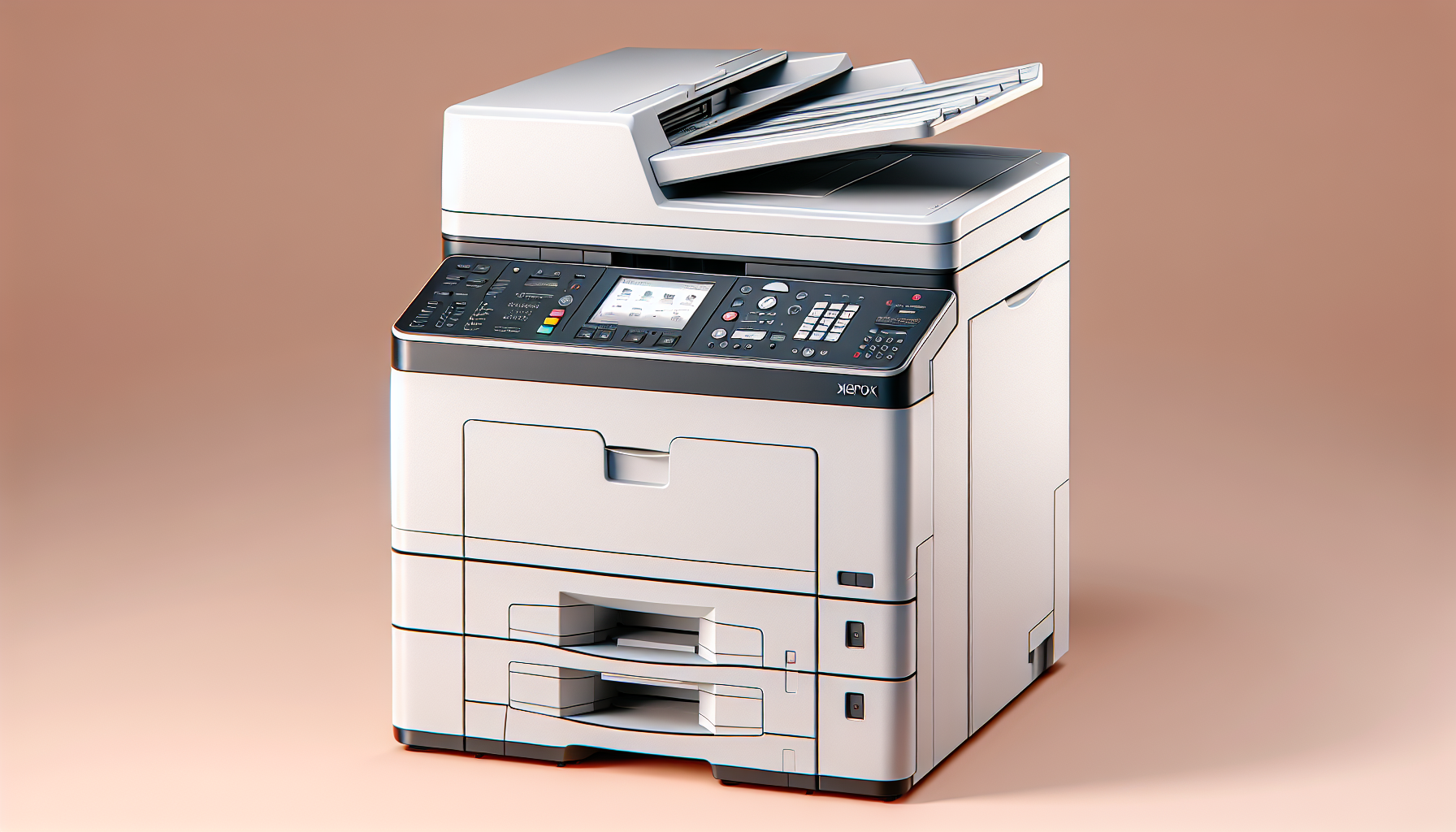
The Xerox 9400 copier was a complex machine that required technicians to have a deep understanding of its nuances.
The technicians were organized into regional teams, each responsible for a set of customer offices and machines. They valued their work relationships with customers and often had to "fix the customer" to prevent misuse of the machines. This involved educating users on the correct operation of the copiers, which was sometimes met with resistance.
In 1983, Lucy Suchman conducted an experiment with the Xerox 8200 copier, highlighting the challenges even sophisticated users faced. This experiment underscored the importance of the technicians' role in bridging the gap between the machine’s complexity and the users' abilities.
The technicians' social interactions were not just about solving immediate problems but also about building a community of practice. They shared tips and tricks, often in concise, jargon-filled stories that only their peers could fully understand. This community was essential for dealing with the unpredictable nature of the machines.
Orr’s study also criticized the Fault Isolation Procedures in Xerox’s service manuals, which were overly directive and did not encourage understanding or problem-solving. The technicians often had to rely on their extensive knowledge and experience, which went beyond what the manuals could provide.
The Eureka project was an initiative to capture and share the technicians' knowledge globally. Initially met with resistance from management, who viewed customer service primarily as a cost center, the project eventually succeeded in France and Canada. The system allowed technicians to share tips and solutions, significantly improving service metrics.
Despite its success, the Eureka project faced ongoing resistance from some quarters within Xerox. The technicians, now titled "customer service engineers," were still not compensated for their contributions to the Eureka database. The system also remained somewhat isolated from the rest of the company’s documentation processes.
The concept of communities of practice, popularized by Orr’s work and further developed by researchers like Jean Lave and Etienne Wenger, highlighted the importance of social learning and peer recognition in professional settings. These communities fostered skill development and shared best practices, which were crucial for the technicians' effectiveness.
In summary, the story of Xerox technicians in the 1980s and the Eureka project underscores the importance of social knowledge and community in complex technical work. It also highlights the challenges of integrating such knowledge into formal organizational structures.

Remember these 3 key ideas for your startup:
- Value Social Knowledge: Just as Xerox technicians relied on social interactions to solve complex problems, your startup should foster a culture of knowledge sharing and collaboration. Encourage team members to share their experiences and solutions to build a robust internal knowledge base. For more insights on creating a collaborative environment, check out the top 5 collaboration tools free for teams.
- Empower Your Team: The success of the Eureka project in France and Canada was due to the involvement and empowerment of the technicians. Similarly, involve your team in decision-making processes and give them the tools they need to succeed. This can lead to innovative solutions and improved performance. Learn more about how to effectively assign tasks to team members.
- Leverage Technology for Knowledge Sharing: Implement systems that allow for the easy sharing and retrieval of information, much like the Eureka project. This can enhance productivity and ensure that valuable insights are not lost. Edworking is the best and smartest decision for SMEs and startups to be more productive. Edworking is a FREE superapp of productivity that includes all you need for work powered by AI in the same superapp, connecting Task Management, Docs, Chat, Videocall, and File Management. Save money today by not paying for Slack, Trello, Dropbox, Zoom, and Notion.
By integrating these practices, your startup can create a more collaborative, efficient, and innovative work environment.
For more details, see the original source.