Download Mobile App



The best free digital planner depends on what you need to organize. Google Keep is quickest for notes and checklists, Any.do adds daily planning, Notion is the most configurable, Microsoft To Do fits Microsoft users, and Edworking connects plans to team tasks and docs. This comparison reflects publicly listed features checked on 27 September 2026; plan limits can change.
Quick comparison: which free planner should you choose?
Choose Google Keep for fast notes, labels and shared checklists. Choose Any.do for a simple daily task planner. Choose Notion for a custom personal dashboard. Choose Microsoft To Do for lists tied to a Microsoft account. Choose Edworking when planning needs owners, project tasks and shared documents.
Before choosing, test four things: whether the free tier covers your task volume, whether it works on every device you use, whether reminders are included, and whether you need personal planning or team accountability.
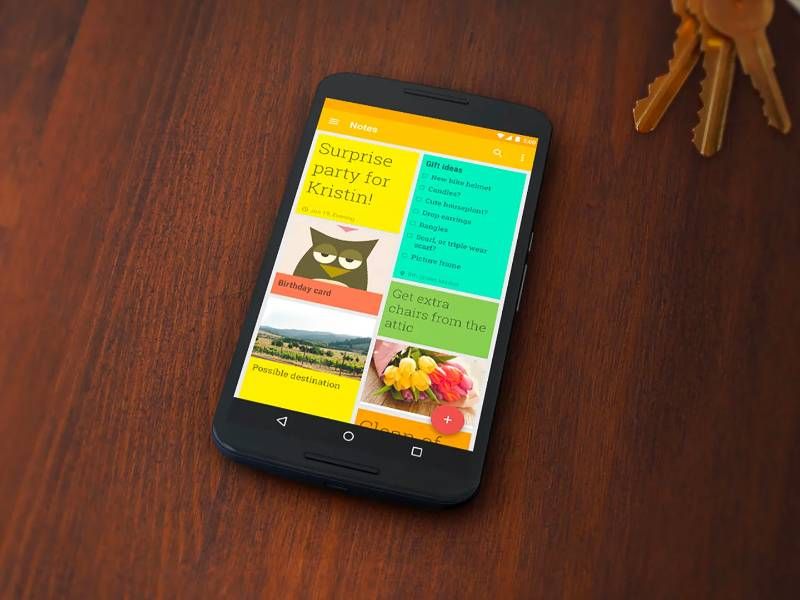
1. Google Keep: best for quick notes and checklists
Google Keep is a lightweight notes app rather than a full project planner. It supports notes, checklists, labels, colors, search and sharing. That makes it useful for shopping lists, idea capture and short recurring checklists, but less suitable for dependencies, workload planning or detailed projects.
What the free experience is good at
Use labels and colors to group notes, pin important items, and share a note when another person needs to update the same checklist. Keep is a strong starting point if speed matters more than a calendar-style planning system.
Check Google Keep features and help
2. Any.do: best for a simple daily plan
Any.do's free Personal plan lists tasks and lists, reminders, calendar access, a daily planner and cross-device sync. Features such as AI suggestions, recurring tasks, location reminders and color tags are listed on paid plans, so do not choose the free tier on the assumption that those tools are included.
Best fit
Choose Any.do if you want a guided daily review and conventional task lists without building your own system. Check the current plan comparison before relying on a specific reminder or automation feature.
Review Any.do's current plan comparison
3. Notion: best for a customizable planner
Notion lets you combine pages, databases and different views into a custom planning system. A solo user can create an extensive workspace on the free plan, while collaborative workspaces and advanced features have additional limits or paid options.
Best fit
Choose Notion when you want to design your own dashboard for goals, projects, notes and reference material. The tradeoff is setup time: a flexible blank workspace can take longer to maintain than a dedicated list app.
4. Microsoft To Do: best for Microsoft accounts
Microsoft To Do is free and available on the web, Windows, macOS, iOS and Android. It supports lists, steps, due dates and reminders, and it can surface flagged Outlook email as tasks for people already working in Microsoft's ecosystem.
Best fit
Choose Microsoft To Do for straightforward personal lists and recurring reminders. It is easier to start than a database-style planner, but it is not a full project-management system.
See Microsoft To Do's official overview
5. Edworking: best for plans that become team work
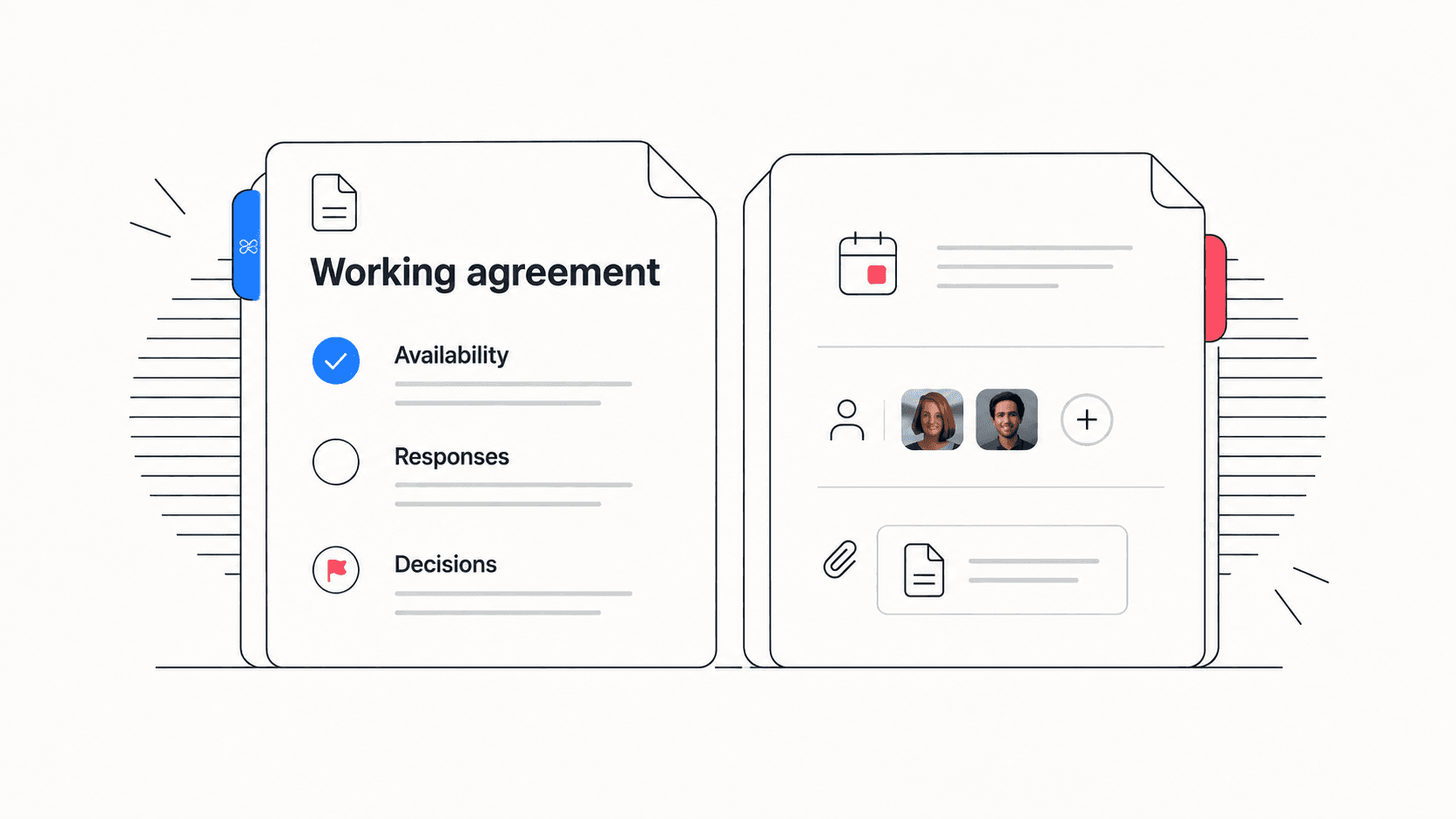
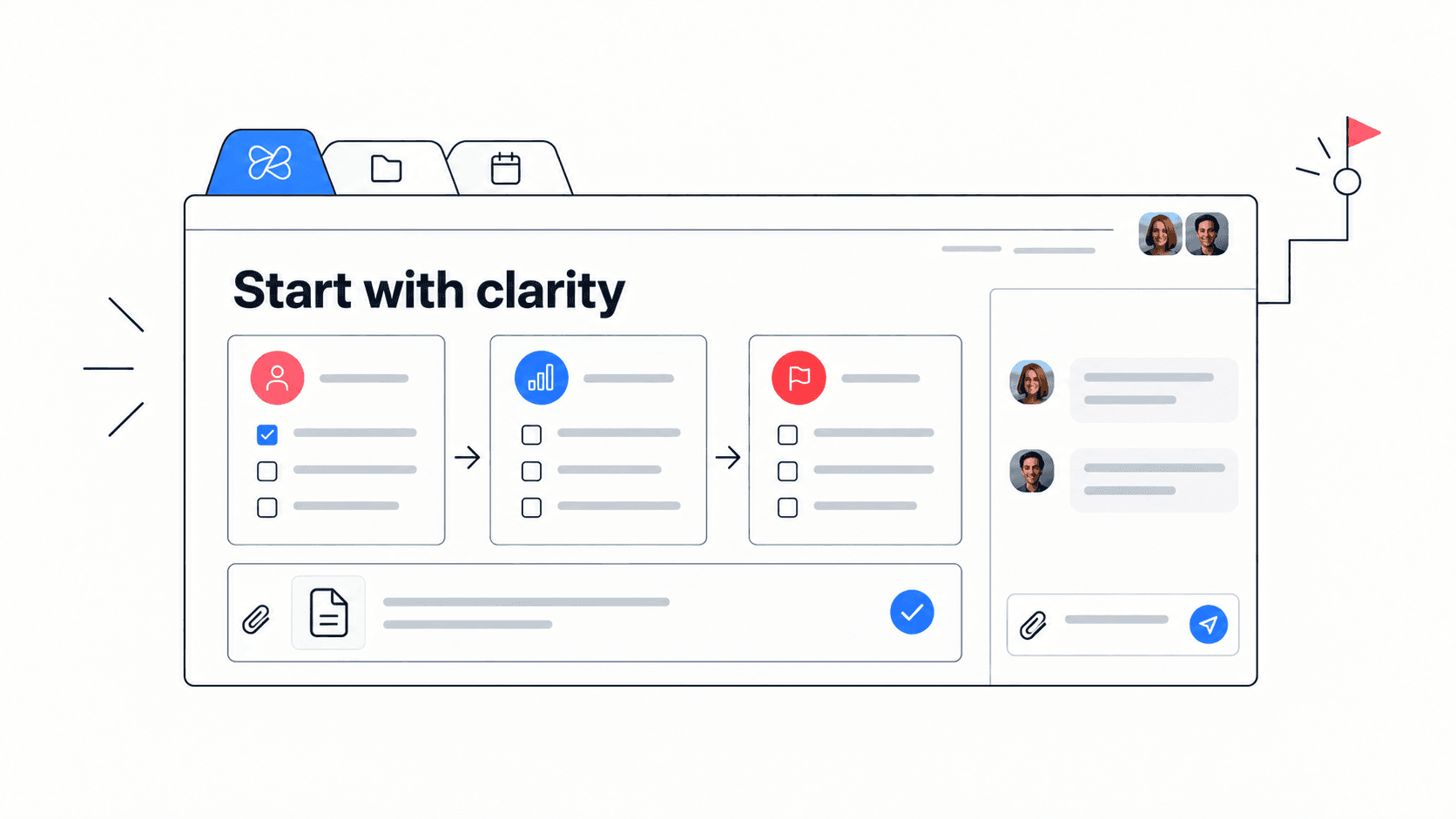
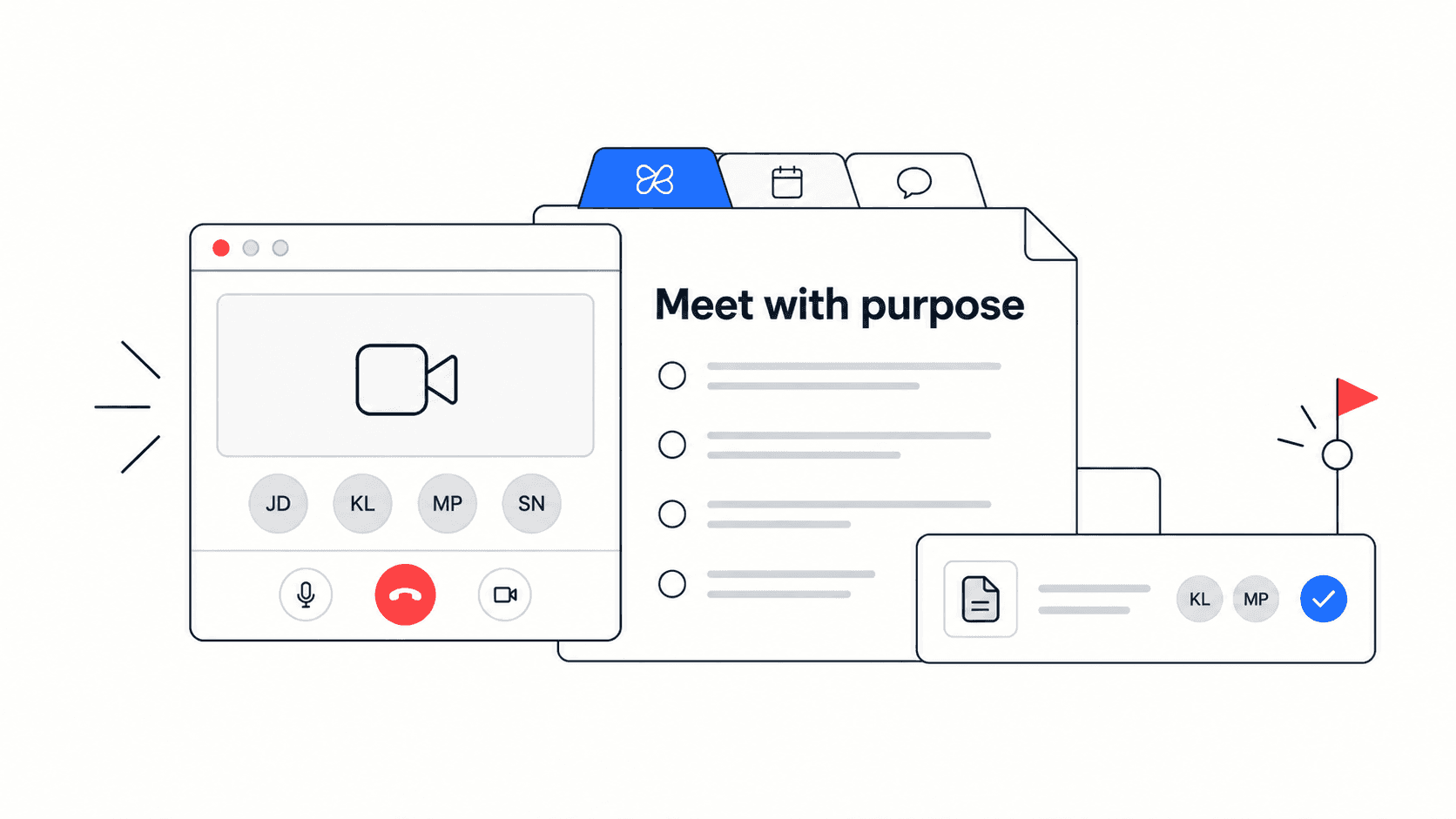
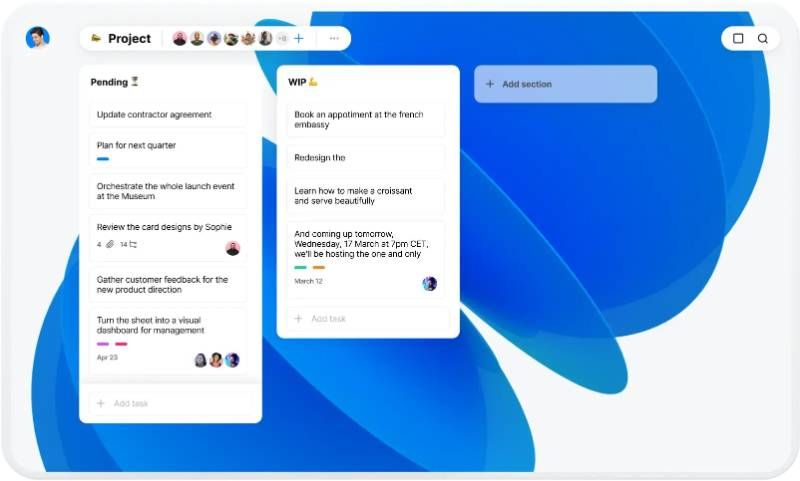
Edworking combines tasks, docs, files, chat and meetings in one workspace. Its free plan is intended for a small workspace and currently lists usage limits, including 250 tasks and 10 docs. That makes it different from a personal checklist app: the useful question is whether a plan needs an owner, a due date and shared project context.
A practical workflow
Create the project outcome in a shared doc, turn each next step into a task, assign an owner and due date, and keep the relevant files beside the work. This is useful for a launch plan or client project where a private planner would hide progress from the team.
Review Edworking's current plans
How to test a digital planner in seven days
Day 1: add only active tasks. Day 2: group them by project or context. Day 3: add due dates only where a deadline is real. Day 4: test reminders on every device you use. Day 5: share one list or project. Day 6: archive completed items. Day 7: check whether the planner reduced missed work or merely created another inbox.
Do not migrate everything at once. A one-week test exposes missing features and friction before you invest time rebuilding an entire system.
Frequently asked questions
Are these digital planner apps completely free?
Each app offers a free way to start, but limits differ. Any.do, Notion and Edworking reserve some features or higher limits for paid plans. Always confirm the current pricing page before committing a workflow.
Which free digital planner is best for students?
Google Keep works for quick capture, Microsoft To Do for assignments and reminders, and Notion for a custom course dashboard. The best choice depends on whether you need simplicity or a structured database.
Which option is best for teams?
Use a team workspace when plans need shared ownership, files and decisions. A personal planner can still handle private reminders, but project commitments should be visible to the people responsible for them.
Will a digital planner make me more productive?
A planner can make priorities and deadlines visible, but the app itself does not guarantee better output. Choose the smallest system you will review consistently, and remove fields or views that do not change a decision.