Download Mobile App


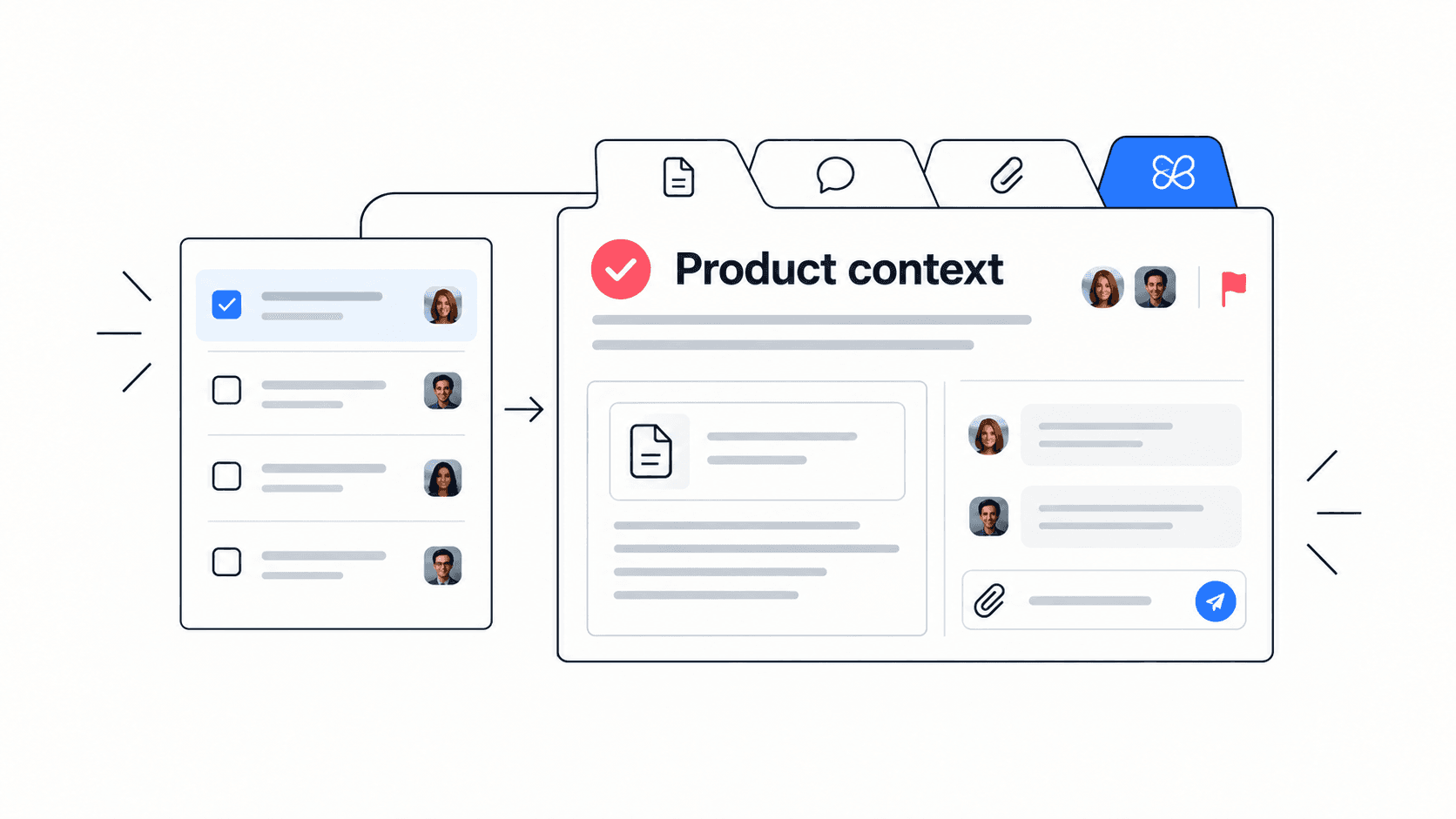
Product teams should consider a Linear alternative when their current workflow leaves important contributors without the context they need. That does not mean issue tracking is the wrong starting point. First decide whether you need to replace product planning or improve the collaboration around it.
What Linear already provides
Linear's feature overview covers projects and initiatives, issue tracking, cycle planning, customer requests, insights and AI workflows. It supports more than a simple ticket list. Compare its current capabilities with your requirements instead of assuming that planning or AI must live elsewhere.
The practical question is where your product team can keep a clear route from customer evidence to a decision, then from a decision to delivered work.
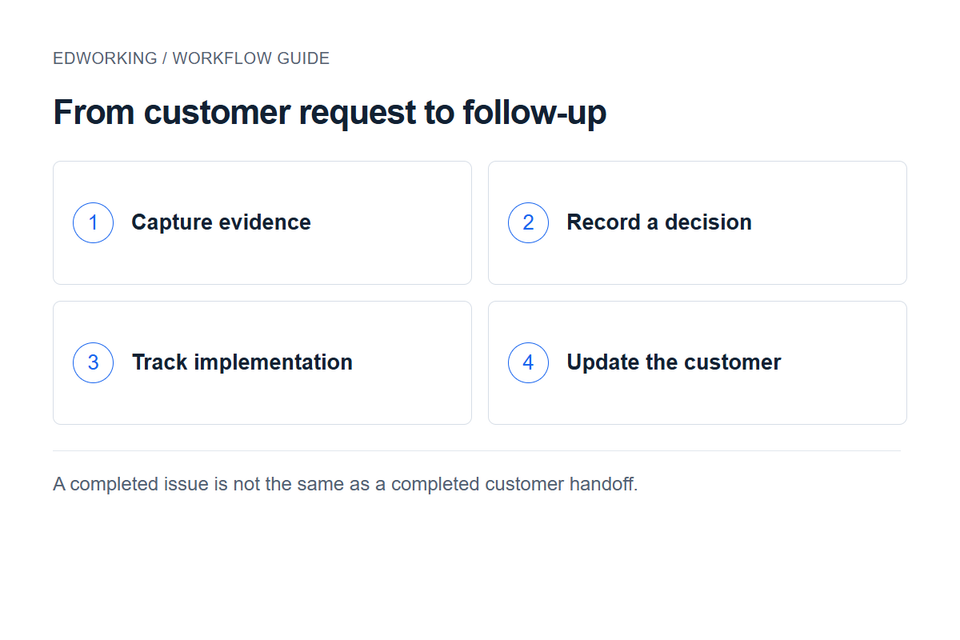
A useful comparison starts with one customer request
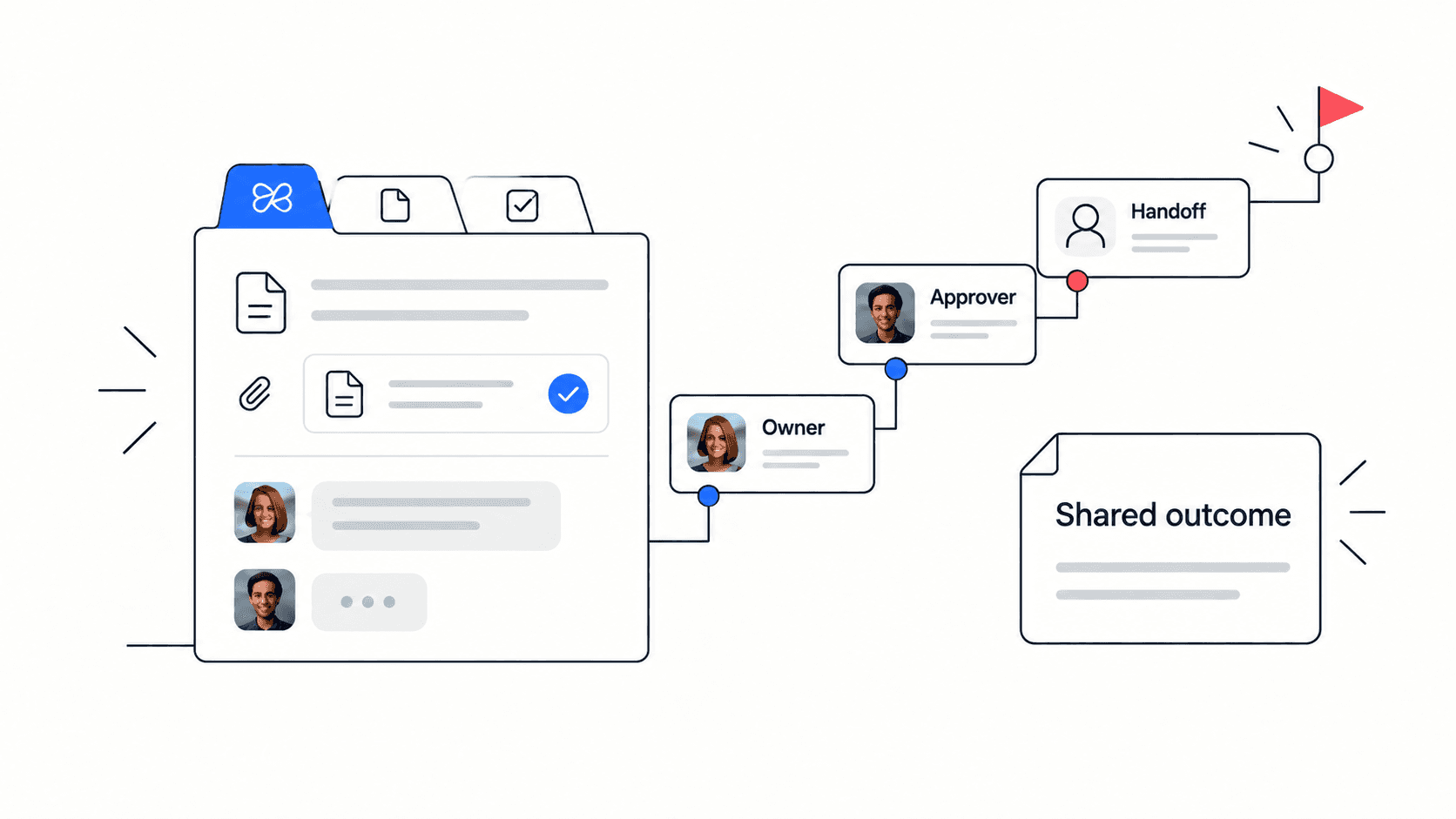
Consider a fictional request for account-level reporting. A support teammate has the customer conversation. Product needs to decide whether the request fits the roadmap. Engineering needs acceptance criteria. The customer-facing team needs to know what it can promise.
Trace that request in your existing setup. Can support find its status? Can product locate the original evidence? Can engineering tell which decision is final? If the answers are already clear, a replacement may not solve a meaningful problem.
If the request gets copied into several places and nobody maintains the links, test a different workflow. Edworking can be evaluated as the shared workspace for the brief, follow-up tasks and conversations, with a link to Linear when implementation remains there.

Define what belongs in each tool
- Customer evidence: choose one durable record and preserve the original source link.
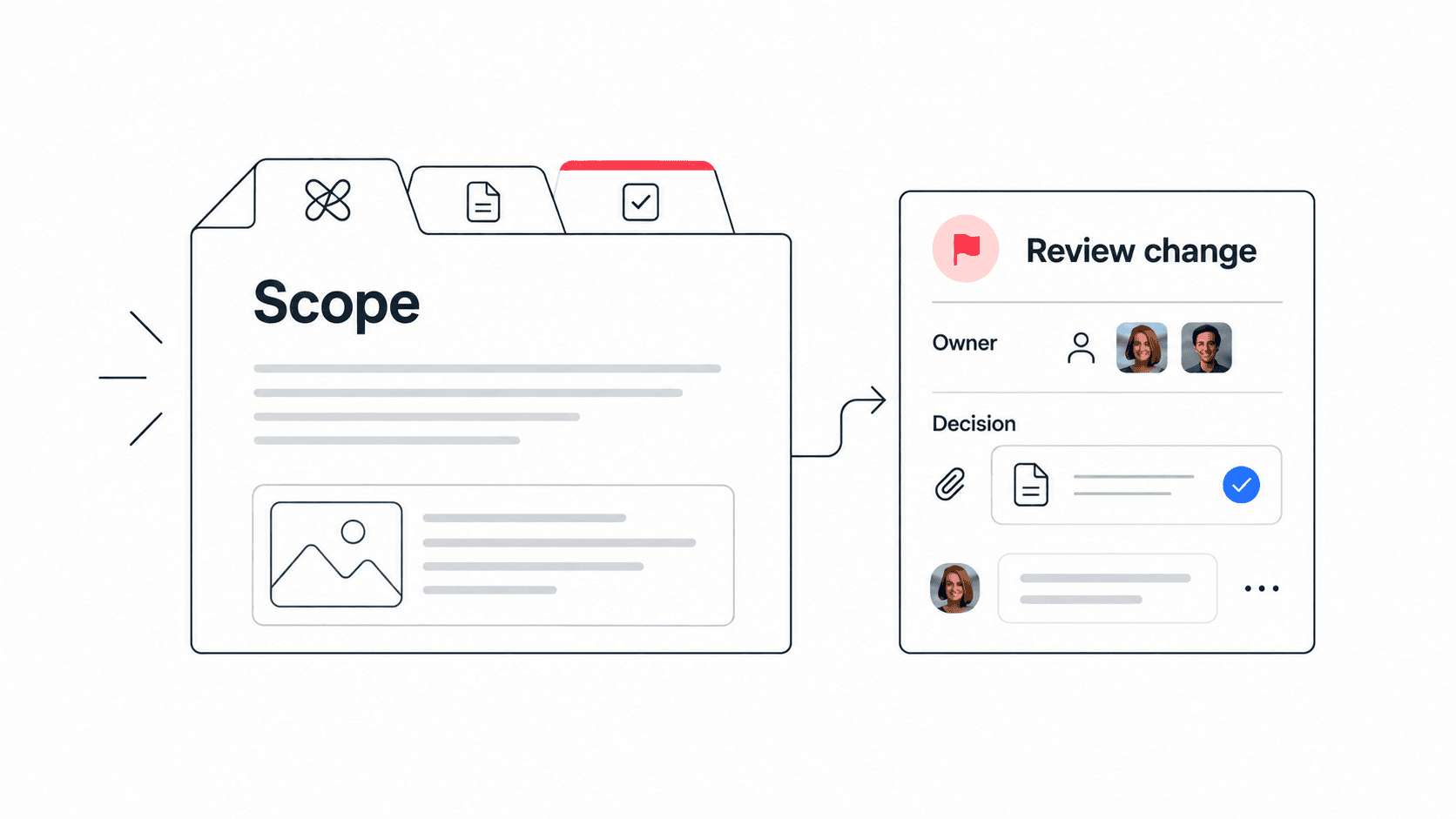
- Product decision: record the decision owner, reason and review trigger. Use a decision log when the choice affects several teams.
- Implementation: retain the system that developers use for issues and delivery planning unless the trial proves a replacement meets their needs.
- Customer follow-up: assign a named person to communicate the outcome. A completed engineering issue does not automatically mean that the customer has been informed.
Do not assume a link creates a live integration. If both systems remain, assign someone to update the shared milestone when the implementation status changes. The two records should describe different responsibilities rather than duplicate every task.
Test the handoff with a small release
Choose a release that includes implementation, help content and a customer update. Keep the number of participants small enough to observe how the workflow behaves. Ask everyone to record where they needed clarification.
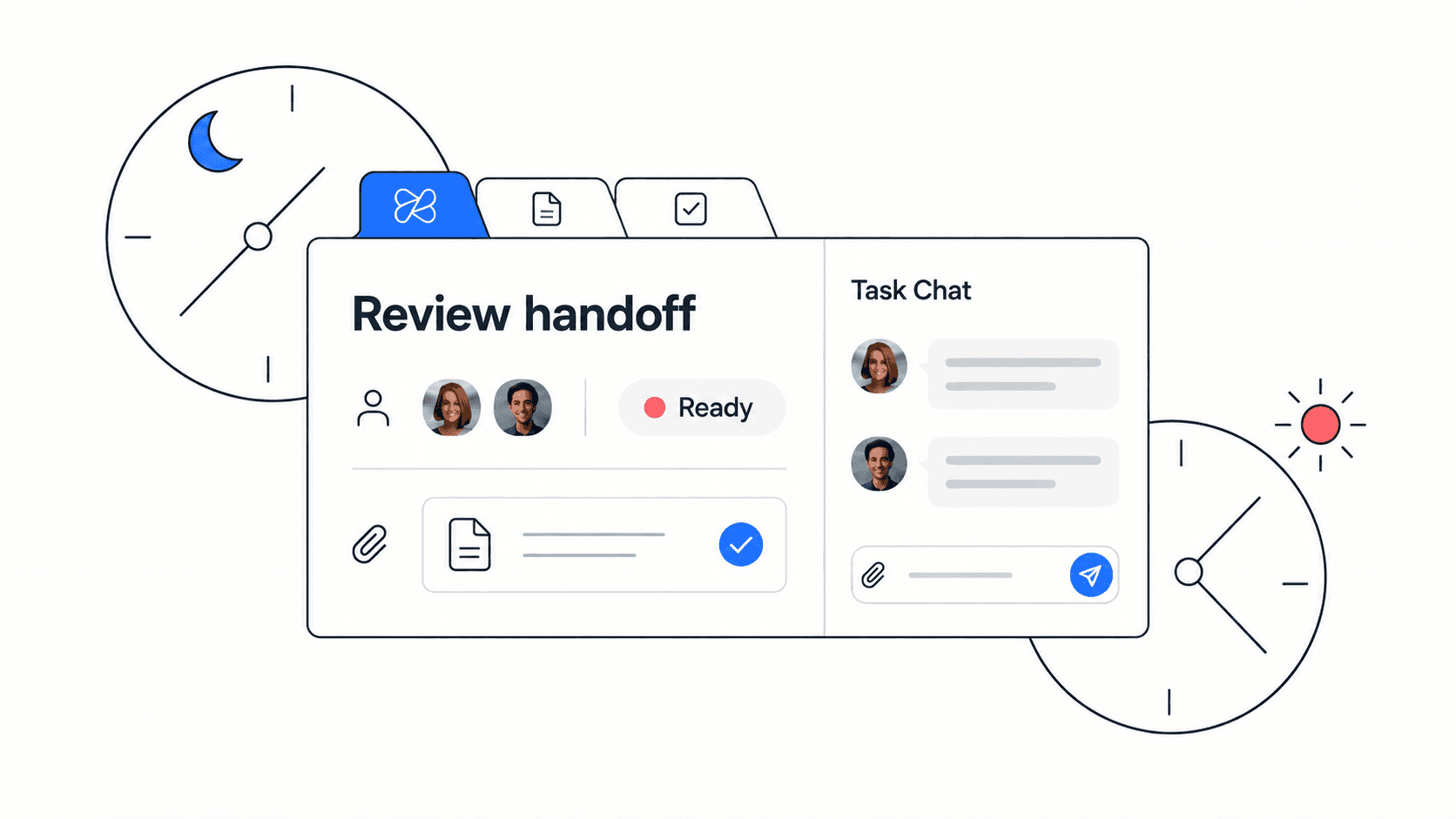
At the first review, check whether the brief explains the intended result and the acceptance condition. At the next review, ask support to identify what is ready to communicate. Finally, ask an absent teammate to find the final decision and its evidence.
The async handoff guide can help standardise those transitions. Clear handoffs make the trial more useful because you are comparing the software under a shared process.
When to keep Linear
Keep Linear when product planning, issue workflows and delivery reporting already fit the team. Keep it during a collaboration pilot if developers depend on those workflows. Replacing a reliable planning system just to reduce the number of apps can introduce more work than it removes.
Evaluate Edworking when the main difficulty is coordinating documents, tasks and discussions across people who contribute to the product. Use the interactive demo to explore that experience, then validate it with real work.
What a successful trial should show
The team should recover customer context, identify the next owner and communicate the result without maintaining duplicate status reports. Also check permissions, export needs and required plan features before deciding. Expand the trial only if the shared workflow improves and the product delivery process remains reliable.